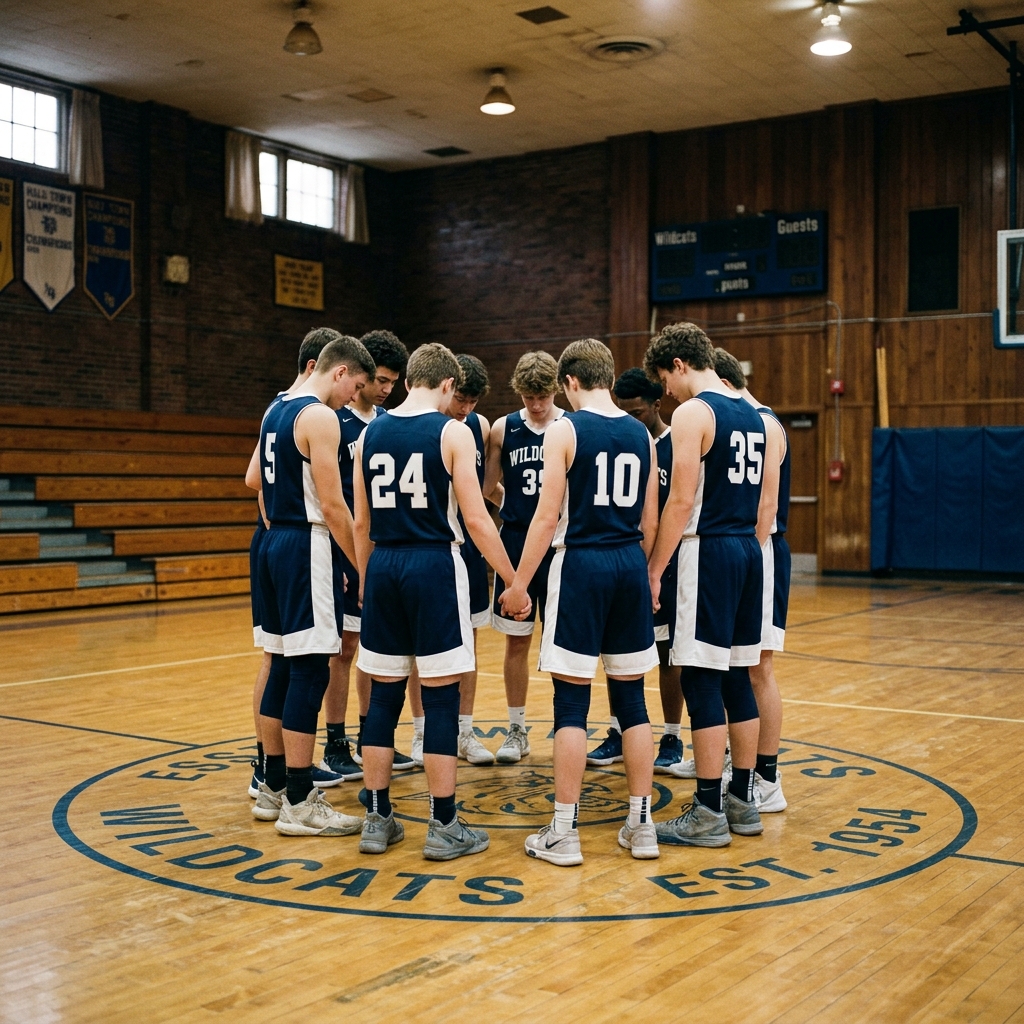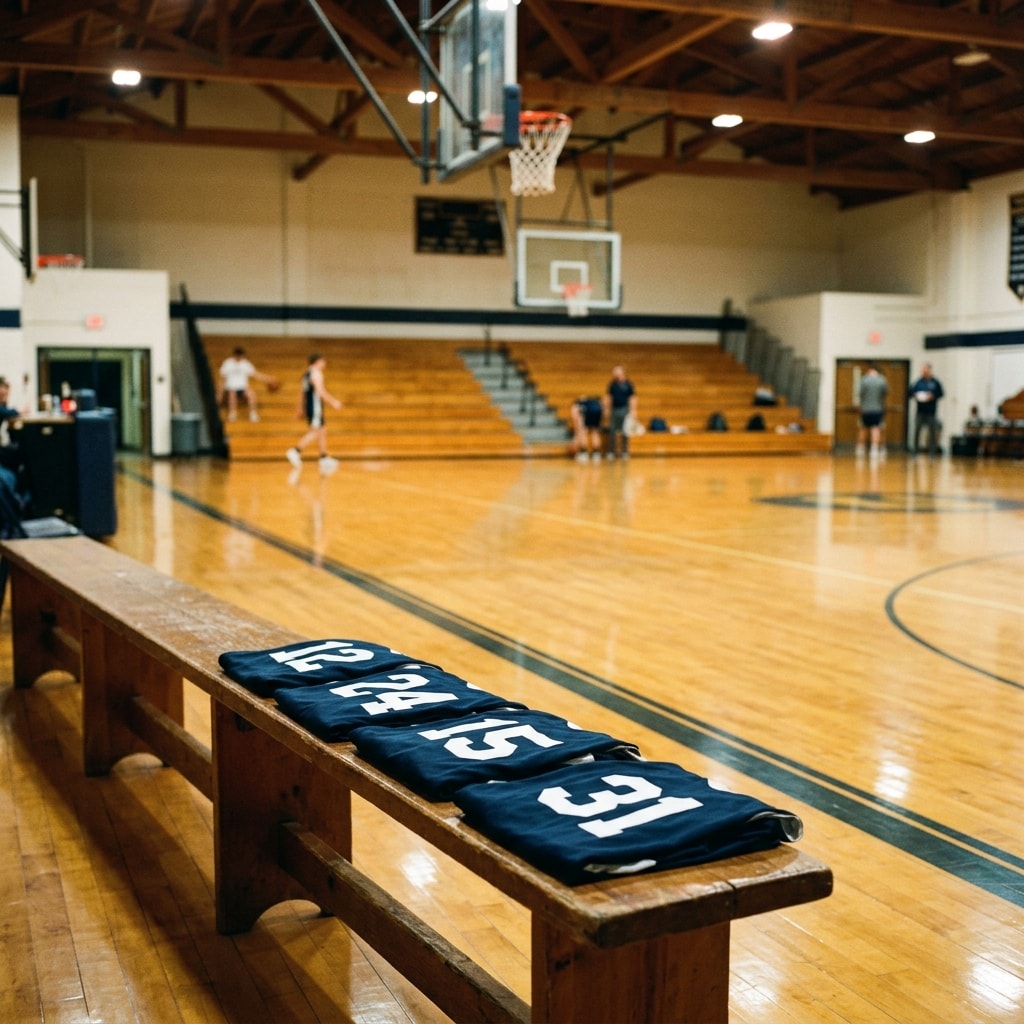
Losing was hard for me when I got to Lighthouse.
Really hard.
I’d come from Twin Falls High School, where we had a solid tradition of winning. Our kids expected to compete.
I expected to compete.
Then I got to Lighthouse.
Part Three of “A Different World,” a series about what a tiny Christian school taught an old public-school coach.
I Started Lowering the Standard
I loved the kids.
But basketball-wise, we had a long way to go.
They hadn’t been pushed the way I was accustomed to pushing players. And somewhere along the way, without really realizing it, I started adjusting.
I gave them a little more slack.
I was a little more understanding.
I told myself they weren’t Twin Falls kids and I couldn’t coach them the same way.
Then one night I came home after another loss and told my wife I’d had enough.
I wasn’t mad at the kids.
I was mad at what we were becoming.
“I’m done babying them,” I told her. “I’m going to coach them the way I coached the kids at Twin.”
Four Guys
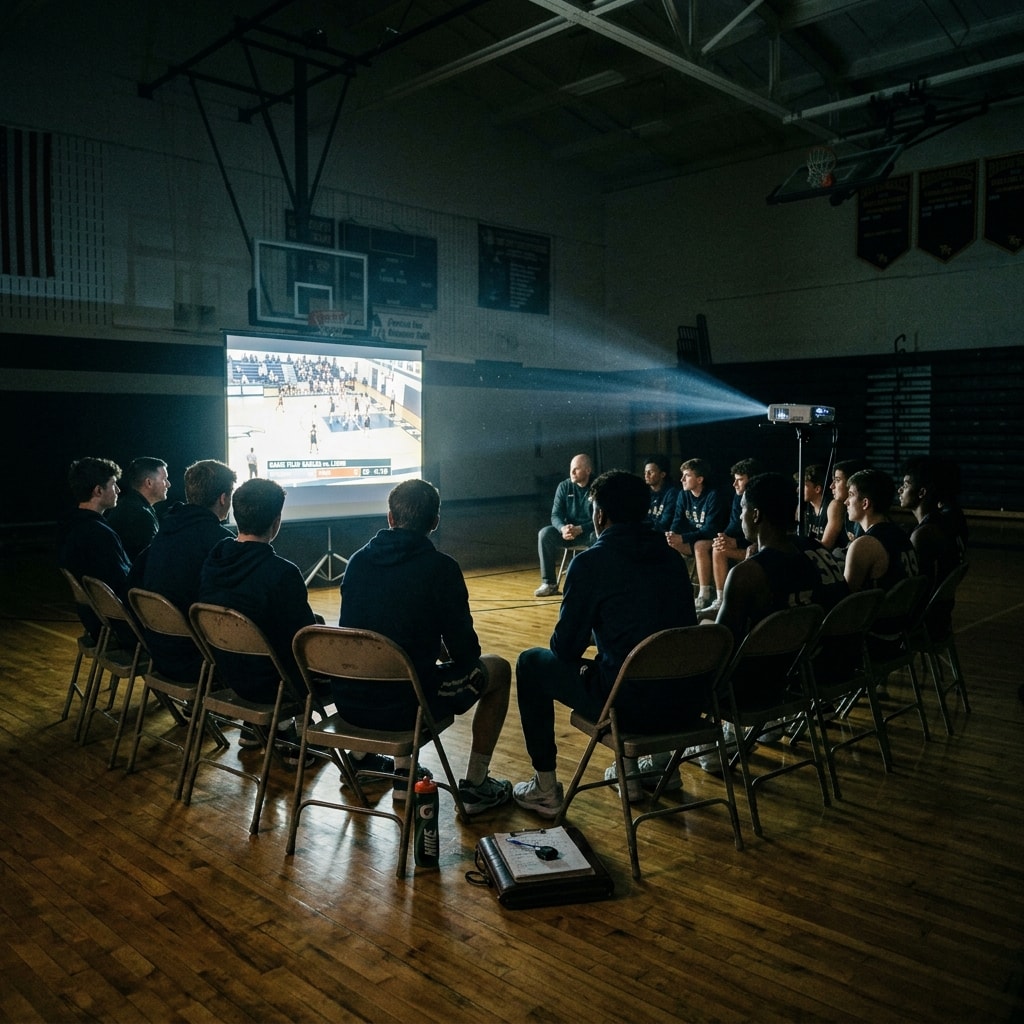
At the next practice, we didn’t touch a basketball.
We watched film.
And I told the team before we started:
“The guys who played hard in this game are going to start our next game.”
Simple enough.
Then we watched.
Possession after possession.
Who’s sprinting back?
Who’s getting on the floor?
Who’s boxing out?
Who’s standing around?
Who’s competing when things aren’t going well?
By the end of the film session, I had my answer.
Four guys.
That presented a slight problem because, as some of you may know, basketball teams traditionally start five.
I decided we’d make do.
”Are All Those Guys Sick?”
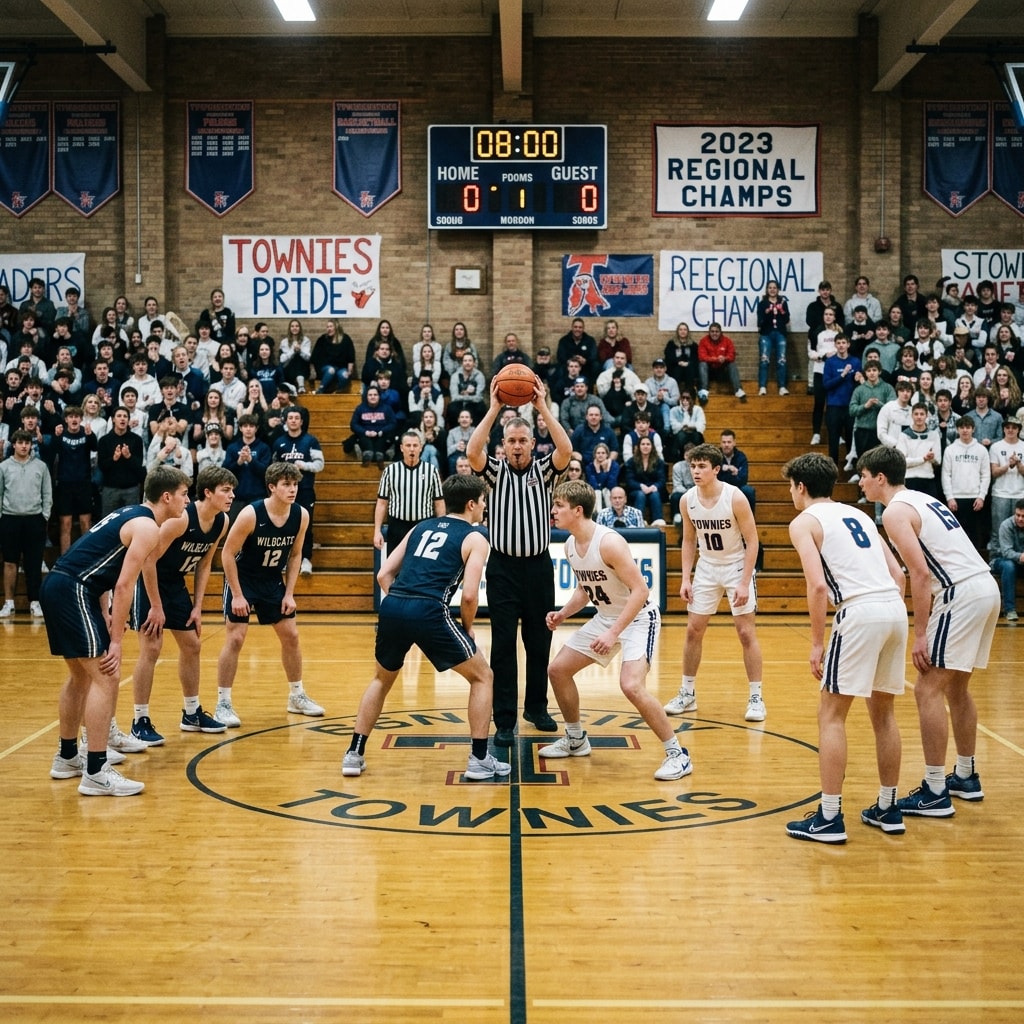
Before the next game, I walked over to the opposing coach and told him we were going to start four players.
He looked confused.
Then he looked down our bench.
There were about ten perfectly healthy kids sitting there.
“Are all those guys sick?”
“Nope.”
“They didn’t work hard enough in the last game.”
To make matters worse, we were playing the best team in our conference.
So out we went.
Four against five.
And somehow…
We jumped out to a 10–2 lead.
I leaned over to my assistant coach.
“Go find a fire alarm and pull it. We need to get everybody out of here and call this a win.”
Unfortunately, nobody pulled the alarm.
The game continued.
And we lost.
But Something Changed
The kids competed.
More importantly, I think they finally understood what I’d been trying to tell them.
Playing hard wasn’t something we talked about when it was convenient.
It was the price of admission.
After that game, we won three of our final four.
We won as many games in the final two weeks of that season as the program had won in the previous two years.
We didn’t suddenly become more talented.
Nobody grew six inches.
We didn’t install some revolutionary offense.
The kids learned how to play hard.

I Was the One Who Needed the Lesson
But looking back, I’m not sure they were the only ones who learned something.
When I first arrived at Lighthouse, I saw the difference in talent and experience and started lowering my expectations.
I thought I was being understanding.
Maybe I was.
But I also may have been sending these kids a message I never intended to send:
I don’t think you’re capable of more.
That’s not compassion.
And it certainly isn’t coaching.
There’s a difference between meeting kids where they are and leaving them there.
Those Lighthouse players didn’t need me to pretend they were the same players I’d coached at Twin Falls.
They weren’t.
But they deserved the same expectation:
Whatever ability you’ve been given, give me everything you’ve got.
It took me longer than it should have to figure that out.
Sometimes believing in kids means encouraging them.
Sometimes it means putting your arm around them.
And sometimes…
it means starting four players.
Start the series with “Coach, You Said Never Give Up an Easy Layup” and “I’ll Be Back Monday, Coach”, or read more about what those Lighthouse years taught me in “I Thought They Didn’t Work Hard. I Was Wrong.”.
This story first appeared on Matt’s Substack. Subscribe to the newsletter for short stories and practical lessons like this one every week.