
Starting in 2013, something changed.
Maybe it was me. Maybe it was the world around me. I’m still not exactly sure what it was, but I started to see things differently. Hear things differently.
And it was one of the hardest stretches of my coaching career. Not just for me, but for my family. Especially for me and my wife.
The Part Nobody Prepares You For
Over the years, we’d lost some close friends. Not because of anything personal, but because of coaching. Coaching their kids, to be exact.
That’s the part nobody prepares you for. You can pour everything you have into a program, build it the right way, and still lose people along the journey.
My wife ran a successful home health business, and one of her top nurses, someone we trusted, quit and moved away. Why? Because her son didn’t get enough varsity playing time.
To make it worse, her daughter played on the same team as ours. When our daughter started racking up awards, the jealousy boiled over.
Another friendship gone.
That’s when I really started to feel the shift. Not just in the gym, but in the community.
It Wasn’t the Face-to-Face Meetings
And to be clear: it wasn’t the face-to-face meetings that wore me down. I could handle those.
It was the whispers. The backdoor comments. The subtle stabs from people I thought were friends.
Like the doctor in town who, while treating a patient, started ranting about how bad a coach I was. Turns out, his son hadn’t played much. Go figure.
Then there was the phone call after a long day. A guy I considered a friend lit me up with every swear word he could think of, yelling at me about how I coached. I put the phone on speaker so my wife could hear it.
When he finally took a breath, I told him: “You go home, wash your kid’s uniform, and have him turn it in Monday.”
I meant it. And I don’t regret it.
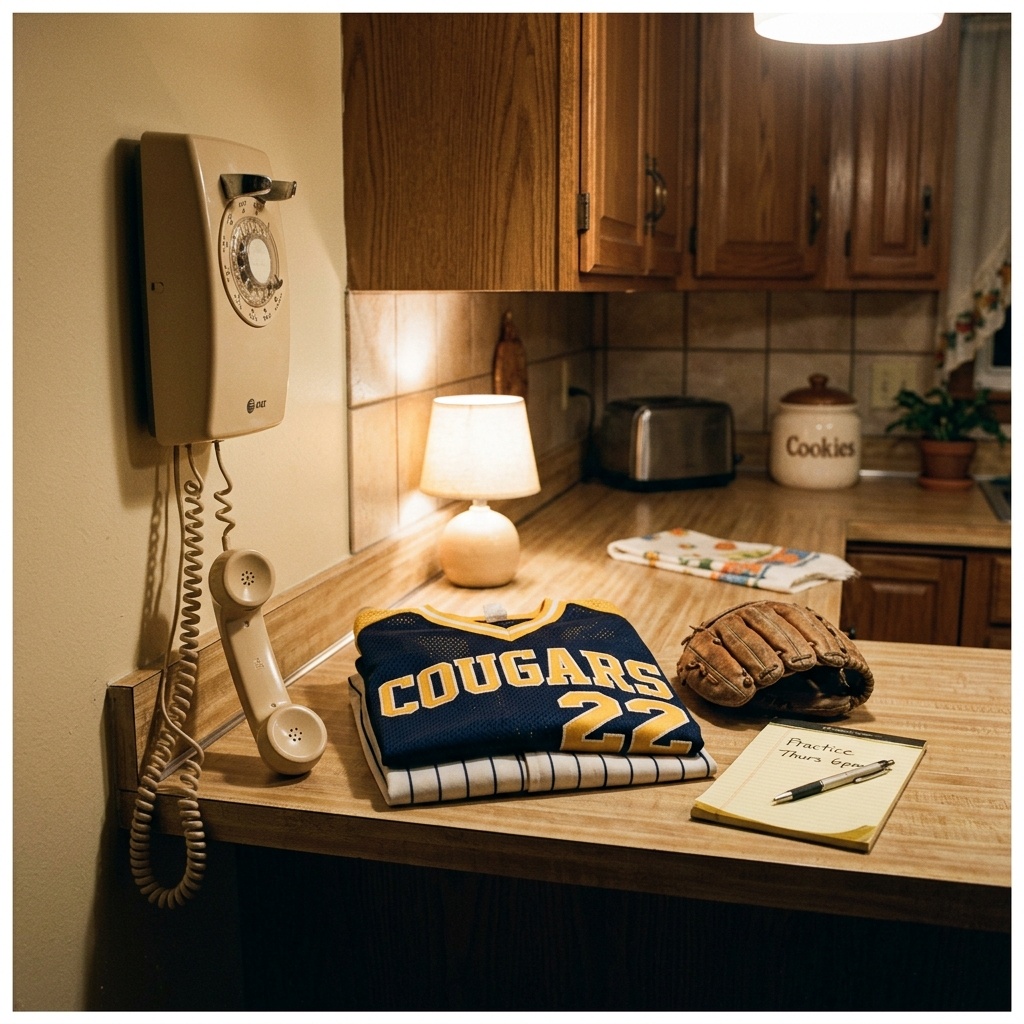
I was tired of the secondhand garbage. If you’ve got something to say, say it to my face. Let’s talk like adults and move on.
But that wasn’t happening anymore. It was turning personal. Ugly. Frustrating.
It felt like everything we’d built — the success, the culture, the championships — was being erased one whisper at a time.
I’d hear things like, “I don’t like your offense.”
And I’d want to say, “We just won two state titles running that offense. What genius tweak are you bringing to the table?”
I started showing parents film. Literally rolling tape and asking, “How can you be okay with this? This is your son. This is the effort you’re defending?”
Meanwhile, I had three kids on the bench who would’ve run through a wall to play harder.
The Four-Year Window
That was 2013. A turning point.
I still felt respected by the wider community. But the revolving door of parents, each with a four-year window, had changed.
More than ever, it felt like their only concern was their kid. Not the team. Not the program. Not the big picture.
And somewhere in that fog of frustration, “Lemon Tree” was born.
The Code Word
It came from a Seinfeld episode. Our little code word.
If my wife and I were out in the community, say at the grocery store, and one of us spotted a parent coming down the aisles — someone who didn’t like the way I coached, didn’t like how things went with their kid — we’d simply say:
“Lemon Tree.”
That was the signal.
Whoever said it got to decide. Keep walking, or turn around.
It was our warning sign, our detour route, our inside joke.

And to this day, even in retirement, we still use it. We still laugh about it.
Honestly, sometimes I can’t even remember if the parent liked us or hated us. Doesn’t matter. It’s just easier to stay out of the crossfire.
Call It Paranoia. It’s Not.
It’s survival. Humor was our defense mechanism.
Coaching at that level takes a toll. And when it starts to seep into your personal life, into your friendships, into your marriage, it changes you.
So we found our ways to cope. Lemon Tree was one of them. Still is.
Because even when it’s not a joke, you’ve got to find a way to laugh.
This story first appeared on Matt’s Substack. Read the original post — “Lemon Tree: How We Survived the Parent Years” — and subscribe to the newsletter for short stories and practical lessons like this one every week.