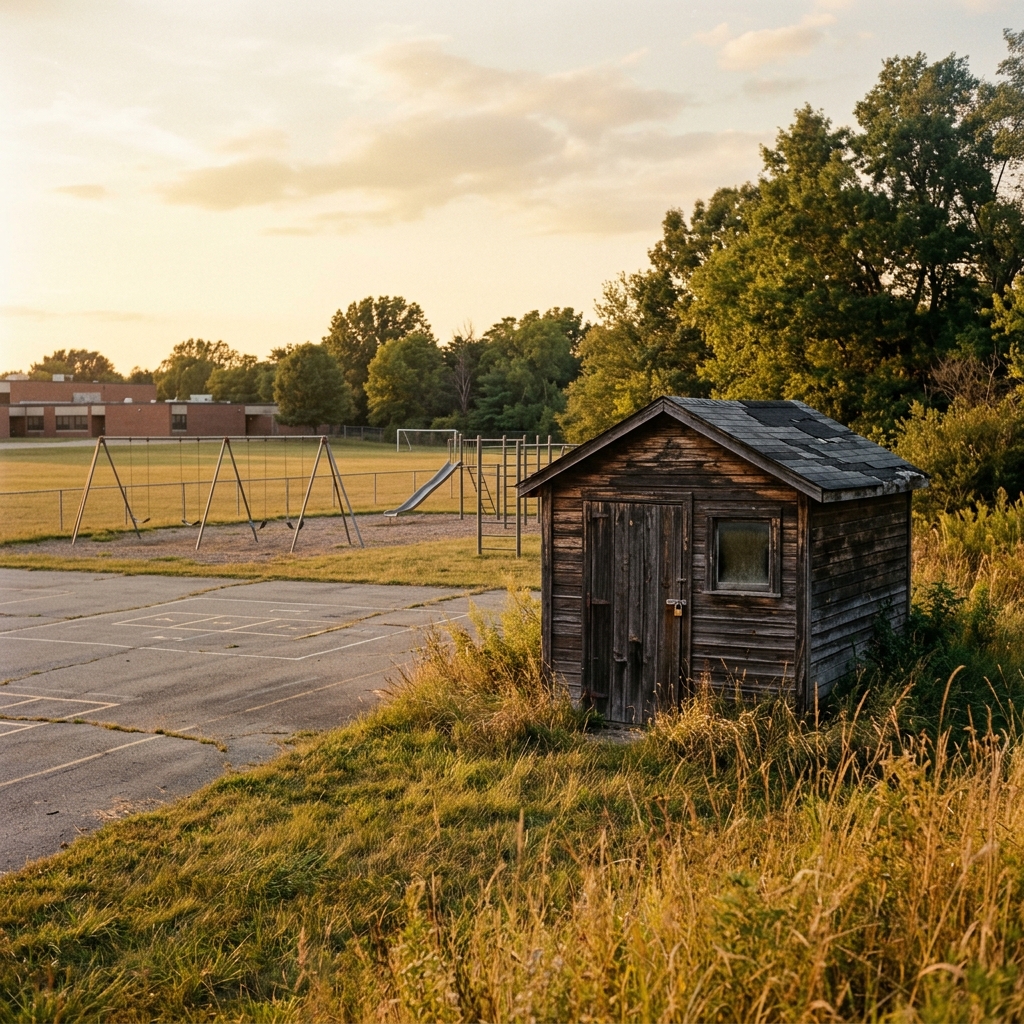
There is a difference between standing beside a child and standing in front of every difficulty for them.
My father figured that out long before anyone was writing books about it. He explained it to me from behind a newspaper, in four words, on the worst week of my sixth-grade year.
Part Two of “Lessons We Learned the Hard Way.” Read Part One — “The Two-Mile Cover-Up”.
A Kid Named Tom
In sixth grade, there was a kid named Tom who decided to make my life miserable.
Tom was your classic schoolyard bully. He had a permanent scowl and a haircut that looked like it had lost a fight. He would corner me, tease me, and make nearly every school day feel like I was starring in my own personal horror movie.
I tried ignoring him.
That didn’t work.
I tried avoiding him.
That only taught him where to look.
Eventually, I had enough. I went home in tears and begged my parents to go to the principal. I wanted an adult to step in, make Tom stop, and remove the problem from my life.
The Four-Word Motivational Speech
My dad was sitting at the kitchen table reading the newspaper. He listened to my story, lowered the paper, and calmly said, “You should call his bluff and fight him.”
I stared at him.
This was not the answer I had expected.
“But what if it’s not a bluff?” I asked.
Dad shrugged as though I had asked him whether the lawn needed mowing.
“Either way, you’ll be fine.”
Then he went back to reading the paper.
That was the entire motivational speech.
There was no dramatic music. No Rocky montage. No lesson about blocking punches or protecting my chin.
Just four words:
“You’ll be fine.”
I didn’t feel fine.

Putting Down the Tray
The next day at lunch, I was so nervous I was practically chewing on my tray. I kept hoping Tom would be absent, get distracted, or discover a new interest that didn’t involve tormenting me.
No such luck.
He started in again. He called me a chicken and even included a few “bawk, bawk” sound effects to make sure everyone understood the reference.
My heart was pounding, but I stood up and set my tray down.
“Meet me behind the shed,” I said.
Tom looked surprised.
“Why?”
“Because I’m going to kick your ass.”
My voice may have cracked slightly, but the message got through.
We walked toward the shed with a crowd forming behind us. Apparently, nothing improves school attendance and student engagement like the possibility of a fight.
With every step, I became more convinced that I had made a terrible mistake. I was either about to become a schoolyard legend or end up face-down in a puddle.
What Actually Happened Behind the Shed
We reached the shed.
Tom looked at me.
I looked at Tom.
Then something unexpected happened.
He backed down.
There was no fight. He mumbled something and walked away.
Even stranger, Tom and I eventually became friends. I suppose mutual terror can sometimes provide the foundation for a surprisingly solid relationship.
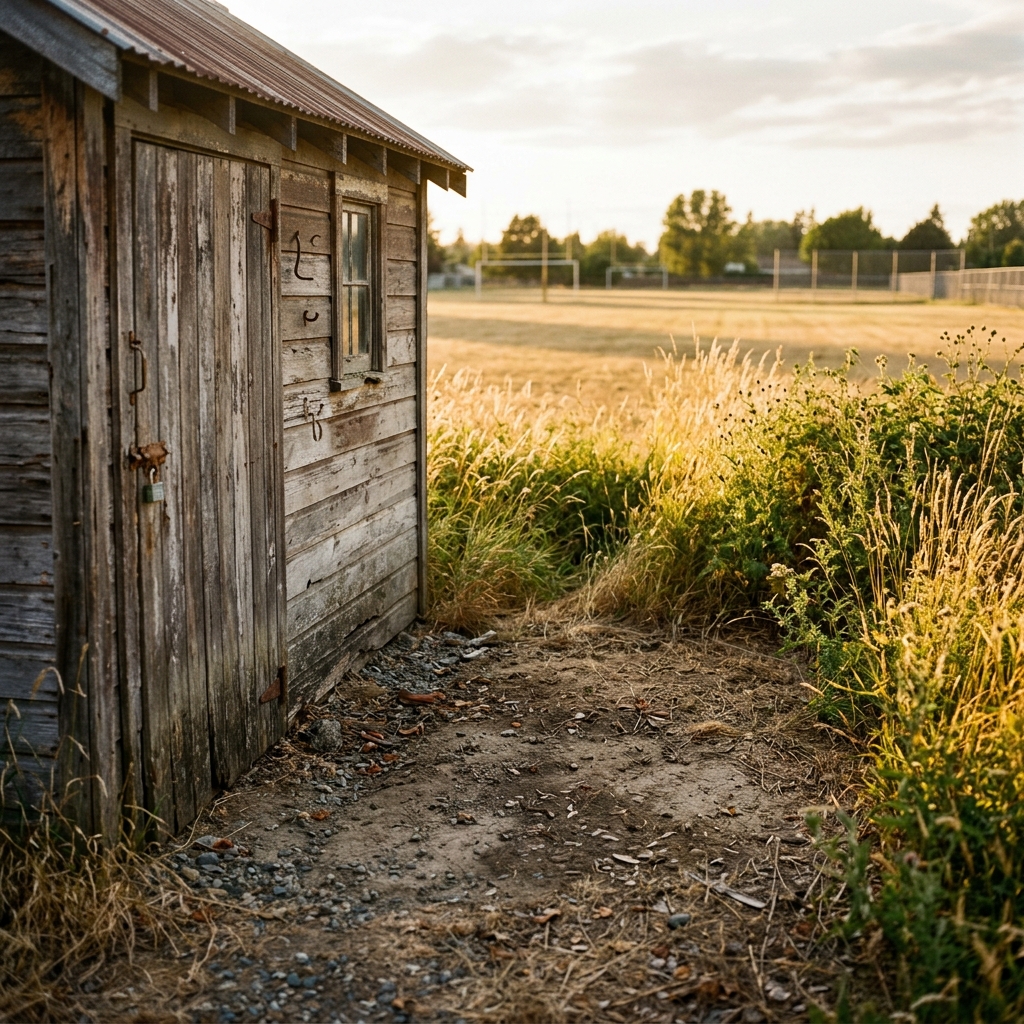
What My Father Was Actually Doing
Looking back, I don’t believe my father was trying to turn me into a fighter. He wasn’t encouraging me to hurt another kid, and I certainly wouldn’t suggest that every bullied child threaten someone behind a shed.
Bullying can be serious. Adults need to listen carefully, protect children from genuine danger, and intervene when necessary.
But my father understood something about that particular situation — and perhaps something about me.
He knew I needed to discover that I wasn’t helpless.
Had my father immediately gone to the principal, Tom might have stopped bothering me. But I could have walked away believing that the only reason he stopped was because an adult had rescued me.
Instead, I learned that I could be afraid and still act.
That is an important distinction.
Courage isn’t the absence of fear. Courage is putting down your lunch tray while your knees are shaking.
Confidence Runs the Other Direction
We often want children to feel confident before they do something difficult. We reassure them, protect them, and wait for their fear to disappear.
But confidence frequently works in the opposite direction.
First, we face the thing that scares us.
Then confidence arrives.
If we wait for a child to feel ready, we will wait a long time. Readiness is not what produces the first hard step. The first hard step is what produces readiness.
The Part That Actually Stuck
My dad’s four words have stayed with me throughout my life. I carried them into classrooms, locker rooms, difficult conversations, coaching decisions, and moments when I had no guarantee that things would turn out well.
“You’ll be fine” didn’t mean nothing bad could happen.
It meant that even if something difficult happened, I could handle it.
That may be one of the greatest messages we can give a young person.
Not “I’ll make sure life never knocks you down.”
Not “I’ll remove anyone who makes you uncomfortable.”
But this:
“I believe you are stronger than this moment. I’ll be here if you truly need me, but I’m not going to take away your opportunity to discover that for yourself.”
My father refused to fight my battle for me.
In doing so, he helped me realize that I was capable of fighting my own.
This week, try this: the next time your child brings you a problem, ask one question before you solve it — “What do you think you could do about it?” Then wait. Let the silence sit longer than is comfortable. If they are in real danger, step in without hesitation. If they are only uncomfortable, hand the moment back to them and stay close enough that they know you are there. You are not choosing whether to help. You are choosing what they get to find out about themselves.
Part Three of this series is up: How I Earned the Deep Pass — the afternoon Spark sent me into a stranger’s house to prove I deserved a place in the huddle.
This story first appeared on Matt’s Substack. Read the original post — “Meet Me Behind the Shed” — and subscribe to the newsletter for short stories and practical lessons like this one every week.