People assume sports build discipline, toughness, competition, and teamwork.
They do.
But those aren’t the real lessons.
They’re just the surface.
The real power of sports is this:
Consequences arrive in real time.
There’s no appeal process when you miss a box-out.
No extension because you weren’t “feeling it.”
No partial credit for almost hitting the cutoff man.
The ball doesn’t care about your intentions.
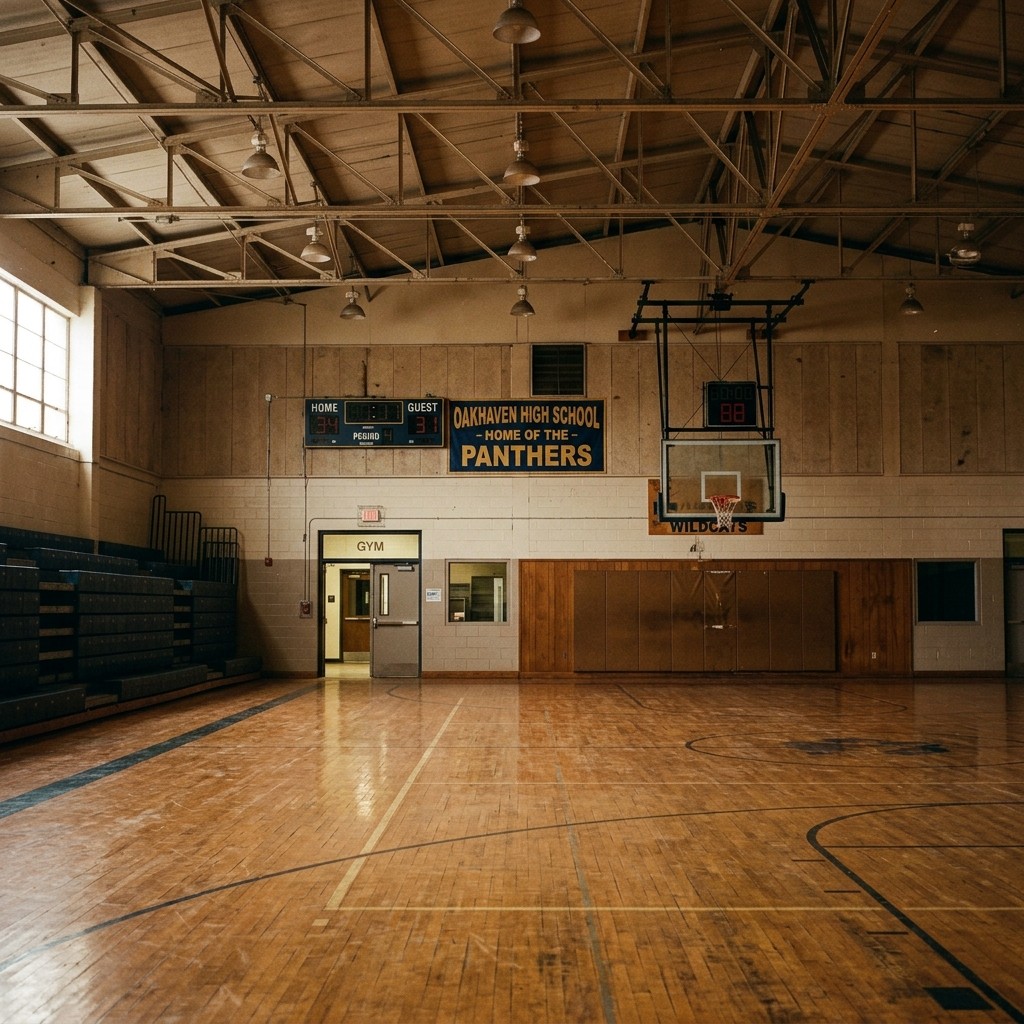
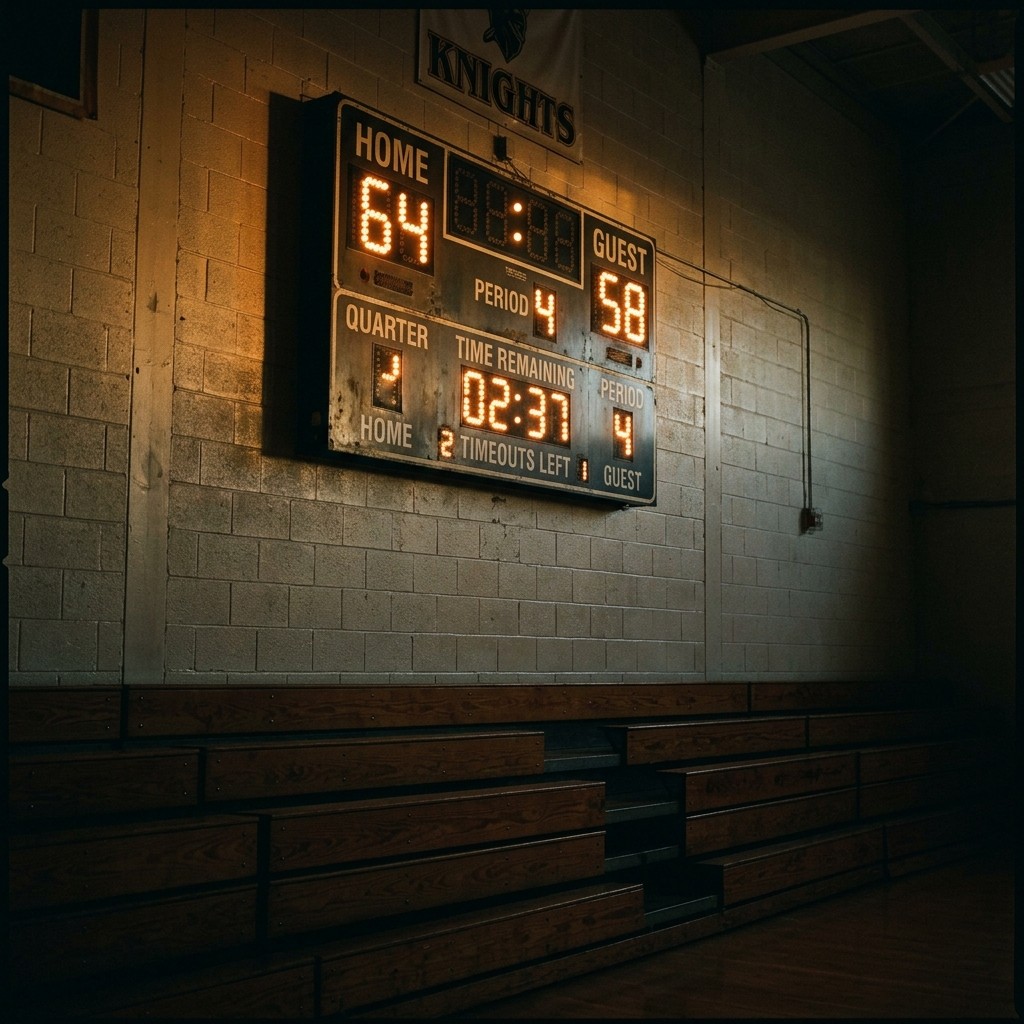
The scoreboard doesn’t adjust for your mood.
You either did it, or you didn’t.
And everybody saw it.
Scoreboards Are Honest Teachers
That kind of visibility is uncomfortable.
Which is exactly why it works.
In most areas of life, feedback gets delayed, softened, or buried under politeness. We explain around mistakes instead of through them.
But in sports?
Feedback shows up immediately.
The distance between action and outcome disappears.
And learning speeds up.
That’s why athletics, when coached with standards, don’t just build athletes.
They build people who carry structure with them long after the game ends.
Into classrooms.
Into jobs.
Into marriages.
Into parenting.
Scoreboards don’t humiliate you. They clarify you.

The Center Field Speech
My senior year of college baseball, we lost a rivalry game.
The bus ride home was silent. The kind where everyone’s replaying mistakes in their head.
When we got back, our coach didn’t send us to the locker room.
He marched us to center field.
Told us to sit down.
We knew a speech was coming.
We didn’t know how weird it was about to get.
Without warning, he removed every stitch of clothing.
Twenty-five players. Frozen.
No one laughed.
No one moved.
Then he started getting dressed again.
Slowly.
Socks. Stirrups. Undershirt. Pants. Belt. Jersey. Hat.
And he said:
“This is how you wear a baseball uniform. With pride.”
Then he added:
“If you start at the bottom, you don’t miss a button.”
Two Catholic nuns walked by.
Stopped.
Looked.
Kept walking.
No reaction.
Which somehow made it worse.
We never found out if he got reported.
But we do know this.
Nobody ever wore that uniform casually again.
Shock fades.
Standards stick.
I still button my shirts from the bottom up.
Culture Isn’t What You Wear. It’s What You Earn.
Years later, coaching at Burley, I tried my own version. Without the nudity clause.
After a loss where effort didn’t meet the standard, I told the team:
“Until you earn it back, nobody wears green.”
No hoodies. No gear. No school colors.
It wasn’t punishment.
It was standards.
By the time it got around town, the story had turned into: “Coach Harr is making kids wear Minico colors.”
Not even close.
But that’s leadership.
Emotion travels faster than accuracy.
Which means leaders have to repeat standards, clearly and often.

The Donkey Story
One of the best lessons I ever heard came from Fred Trenkle at the College of Southern Idaho.
An old man and his grandson are walking with a donkey.
People criticize everything they do.
“The boy should ride.”
“The old man should ride.”
“Both should ride.”
“Neither should ride.”
So they try to please everyone.
They carry the donkey.
They cross a bridge. The wind blows.
The donkey falls into the canyon.
And dies.
The moral:
If you try to please everyone, you’re going to lose your ass.
No PowerPoint needed.
The Real Lesson
Sports still build leaders, when they’re coached right.
Because sports still tell the truth.
You either prepared, or you didn’t.
You either worked, or you didn’t.
You either practiced, or the game exposed you.
There’s nowhere to hide.
And that’s not cruelty.
That’s clarity.
Final Thought
Every young person needs a scoreboard somewhere in life.
Not because winning matters most, but because truth does.
Truth forces adjustment.
Adjustment builds growth.
Growth builds culture.
And culture is what people carry with them long after the final score is gone.
This story first appeared on Matt’s Substack. Read the original post — “The Most Honest Teacher I Ever Had Was a Scoreboard” — and subscribe to the newsletter for short stories and practical lessons like this one every week.